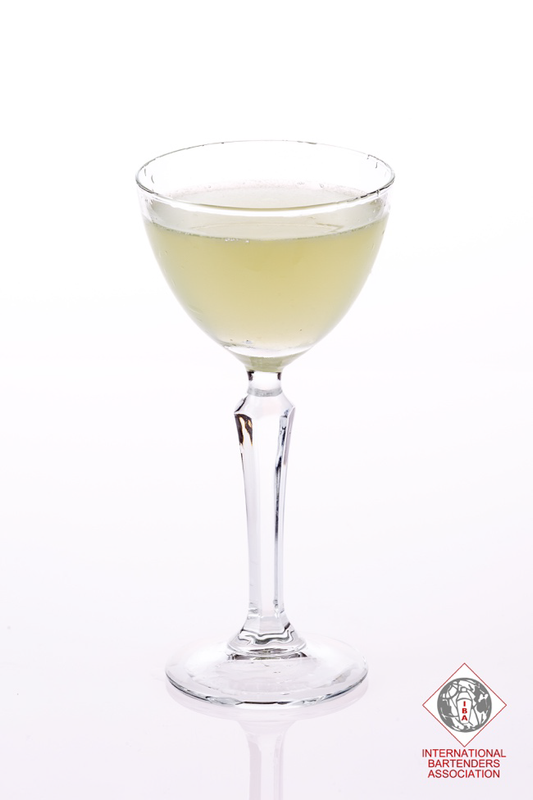
Before I tell you the story, for anyone who wants to recreate it at home I've put together a ready-to-shop list with all the exact ingredients you need. Now, onto the legend.
The Last Word was born in the Detroit Athletic Club around 1915-1916, at the height of the Detroit auto industry era. The cocktail was "the last word" in sophistication for the clientele of the exclusive club, which included Ford, Dodge, Chrysler and Fisher, the automotive tycoons of the era. The drink was brought onto the vaudeville stage by Frank Fogarty, the famous comedian known as the "Dublin Minstrel."
Published in 1951 by Ted Saucier in his book Bottoms Up!, it was then promptly forgotten for half a century. The total revival came in 2004, when Murray Stenson found it at the Zig Zag Café in Seattle and brought it back onto the menu, triggering a cult cocktail phenomenon. Today, with its four equal parts (gin, Chartreuse, maraschino, lime), the Last Word is considered the template of the equal-parts cocktail.
Beyond the ingredients, what makes a home cocktail truly memorable is the gear. A proper barman kit like this one on Amazon gives you the shaker, jigger, strainer and bar spoon you need to treat every guest like a regular at a legendary bar. And if you love entertaining, upgrading to a full professional cocktail bar station turns your kitchen corner into a real, organized bar where bottles stand ready and nothing is out of place.
Prima di raccontarti la storia, per chi vuole ricrearlo a casa ho preparato una lista pronta all’acquisto con tutti gli ingredienti esatti di cui hai bisogno. Ora, passiamo alla leggenda.
Il Last Word nasce al Detroit Athletic Club intorno al 1915-1916, durante il periodo di massimo splendore dell’industria automobilistica di Detroit. Il cocktail era “l’ultima parola” in fatto di raffinatezza per la clientela dell’esclusivo club, che includeva Ford, Dodge, Chrysler e Fisher, i magnati dell’automotive dell’epoca. Il drink venne portato sul palcoscenico del vaudeville da Frank Fogarty, il celebre comico noto come “Dublin Minstrel”.
Pubblicato nel 1951 da Ted Saucier nel suo libro Bottoms Up!, venne poi dimenticato per mezzo secolo. La rinascita definitiva arriva nel 2004, quando Murray Stenson lo riscopre allo Zig Zag Café di Seattle e lo rimette in carta, dando origine a un vero fenomeno di culto della mixology. Oggi, con le sue quattro parti in egual misura (gin, Chartreuse, maraschino, lime), il Last Word è considerato il modello del cocktail “equal parts”.
Oltre agli ingredienti, ciò che rende davvero memorabile un cocktail fatto in casa è l’attrezzatura. Un kit da barman come questo su Amazon ti dà shaker, jigger, strainer e bar spoon per trattare ogni ospite come un habitué di un locale leggendario. E se ami l’ospitalità, passare a una postazione professionale da cocktail bar trasforma l’angolo cucina in un vero bar organizzato, dove le bottiglie sono sempre pronte e nulla è lasciato al caso.